
Last updated
Why do porta potties smell?
Odor builds when waste breaks down faster than the tank gets serviced, or when a unit sits full in direct sun. ANSI/PSAI Z4.3 sets one service visit per week for up to 10 users over a 40 hour week as the baseline interval, and that baseline is exactly why a construction crew of 30 needs a tighter rotation than a weekend backyard party. Deodorizing chemicals in the tank slow the process, but they can't outrun a tank that's three-quarters full two days into a five-day rental. Heat speeds up the chemistry too, so a unit parked against a south-facing wall in Canton in July works harder than one placed in shade. Placement matters as much as the pump schedule. Canton Porta Pros walks that through on every delivery, and the porta potty placement guide covers airflow and sun exposure in more depth. Ventilation stacks built into a standard unit help vent gas upward instead of trapping it near the seat, which is part of why unit design still matters even with a good service plan behind it.
How often does a porta potty need to be serviced to avoid smell?
Service frequency should match headcount, not a fixed calendar date. A single unit at a two-day home renovation project might only need one pump-out, but a jobsite running five days a week with 25 workers needs the same weekly rhythm OSHA expects for toilet counts under 1926.51(c)(1), which sets 1 toilet for 20 workers or fewer and scales up from there. More users means more waste volume means a shorter window before odor becomes noticeable. Canton Porta Pros builds service intervals around actual crew size and event duration, not guesswork. For a weekend wedding or a festival drawing a crowd over two days, a pre-event service plus a same-day check keeps units fresh through teardown. Longer commitments, like a monthly rental on a construction site, need a standing weekly or twice-weekly route. If you're not sure what your event or jobsite needs, the how many porta potties do I need guide walks through headcount math that also drives service frequency.
Do deluxe or flushable units smell less than standard ones?
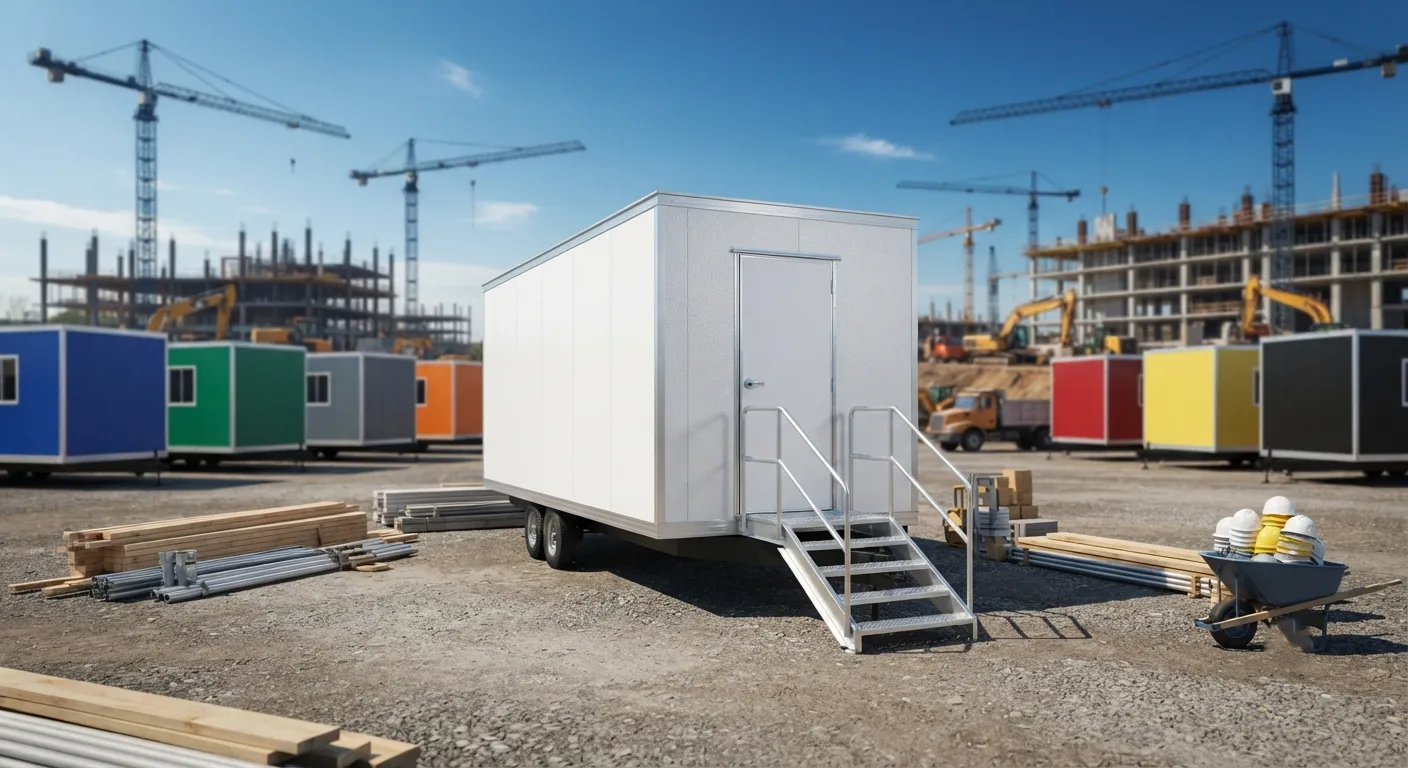
Yes, generally. A deluxe flushable porta potty uses a flush mechanism and a separate freshwater reservoir, which dilutes waste and cuts down on the ammonia smell that builds in a standard unit's holding tank. That doesn't replace regular servicing, but it buys more time between visits, which matters for a wedding, a golf outing, or any event where guests notice quickly. An ADA accessible porta potty built to the same holding tank spec as a standard unit needs the same service attention, and the wider interior specified under ADA Standards 304.3.1, a 60 inch turning circle, doesn't change tank capacity or odor control. For anything more upscale than a flushable single unit, a restroom trailer with a flush system and separate ventilation tends to run the least noticeable of all the options, which is why a lot of Canton wedding and event bookings go straight to a luxury restroom trailer instead.
Can placement and weather affect how much a porta potty smells?
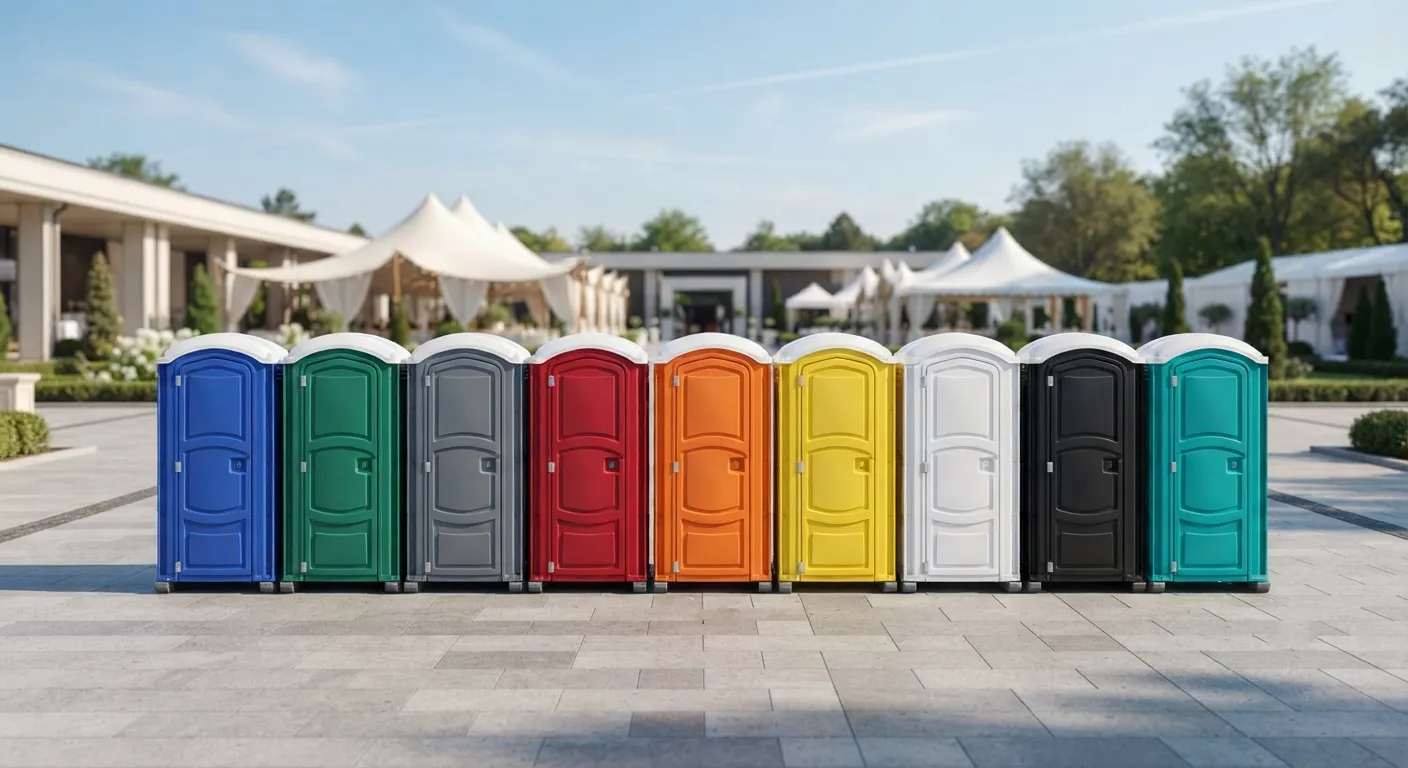
Yes. Direct sun and poor airflow are two of the biggest factors, and both are things a customer can control at delivery. A unit tucked into a shaded corner with a breeze moving through vents outperforms one baking against a wall all afternoon, even with identical service schedules. Canton summers bring enough heat that shade placement is worth planning around before delivery day, and Canton Porta Pros will talk through good spots on-site. Winter brings its own issue, less smell but more freeze risk, which the porta potty in winter page covers separately. Delivery access also matters: crews generally want a clear, flat path to the placement spot, and for larger equipment like a roll-off dumpster sharing the same site, about 60 feet of straight clearance behind the truck is standard for delivery. Homes and jobsites in Westland, roughly 6.0 miles east of Canton, and Van Buren, about 6.8 miles south, get the same placement walkthrough before any unit goes on the ground.
| unit | day | week | month |
|---|---|---|---|
| standard | $100-$350 | $130-$500 | $125-$325 |
| deluxe | $85-$1200 | $150-$290 | - |
| ada | $200-$400 | $240-$400 | - |
Longer rentals generally cost less per day than a one-off delivery, which is one more reason to match rental length to your actual need rather than renting short and extending repeatedly. Full pricing context lives on the porta potty rental cost and porta potty rental per day pages.
Will hand sanitizer or deodorizer packets fix a smelly unit on their own?
No. Chemical treatments slow bacterial breakdown but can't replace a pump-out once the tank fills. Handwashing itself needs actual soap and water or a proper station under 29 CFR 1910.141(d)(2), since hand sanitizer alone doesn't satisfy that standard.
Do porta potties smell worse in the summer heat?
Yes, heat speeds up decomposition inside the tank, which intensifies odor faster than in cooler months. Shade placement and a tighter service interval both help. Ypsilanti jobs about 10.4 miles southwest of Canton get the same summer service adjustments.
Is it normal for a brand-new unit to still have some odor?
A faint chemical smell from the tank treatment is normal at delivery. Any strong sewage odor right after setup usually means a service or placement issue, and Canton Porta Pros will address it same-day.
Does a restroom trailer smell less than a standard porta potty?
Generally yes, because trailers flush and often have separate plumbing and ventilation. See the restroom trailer rental cost page for how that upgrade compares against a standard unit rental.
Can I request extra servicing if a unit starts smelling mid-rental?
Yes. Call Canton Porta Pros and a service visit can typically be added outside the standard rotation, especially for multi-week jobsite rentals or extended event bookings running past a single weekend.
Next step
Get a delivery date
Tell us the address, the dates and the headcount. We size the order and confirm the route.