Last updated
Where should a porta potty go on a job site?
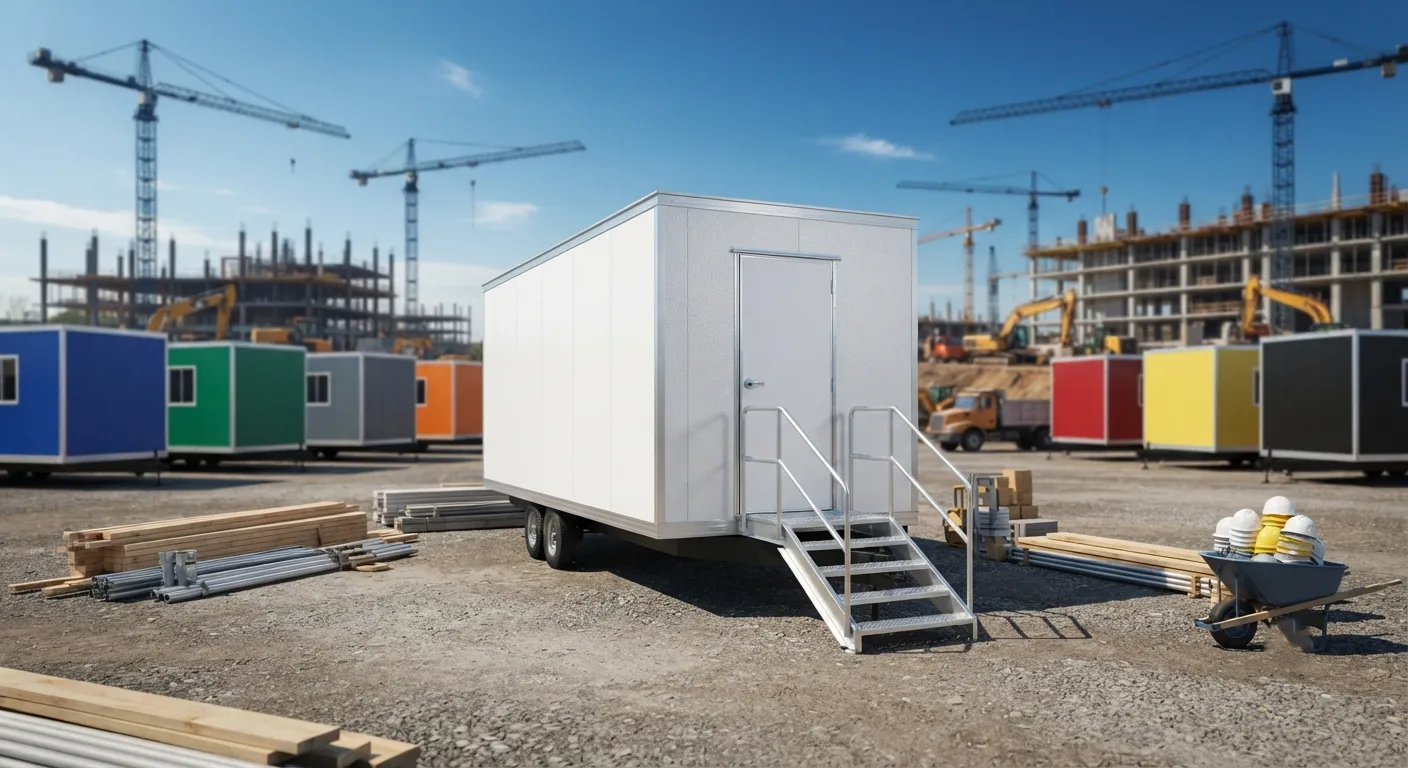
Pick flat, firm ground first. ADA Standards section 302.1 calls for surfaces that are stable, firm and slip resistant, and that rule matters just as much for a standard unit as an accessible one. Avoid grass on a slope, loose gravel, and anywhere water pools after rain. A standard porta potty rental sits about 44 by 48 inches on the ground and stands roughly 92 inches tall, so give it clearance from low branches and scaffolding overhead. Keep units away from site entrances where deliveries back in, and check sightlines for temporary fence rental if you are screening the area from the street. On a construction lot, placement often follows the same footprint as a storage container rental or mobile office trailer rental, grouped near the site office for one service stop instead of three. If your Canton site has both trades and public foot traffic, separate the two zones so subcontractors are not walking past visitors to reach the door.
Do I need a permit to place a porta potty in Canton?
Placement in the public right of way needs confirming with the city; we have not verified a specific Canton ordinance number for porta potty siting, so check with the city before setting units on a sidewalk, street shoulder, or parking easement. This is separate from a dumpster placement permit, which some municipalities require whenever a roll-off sits on a public street rather than private property, and dumpster placement permit cost varies by city, so confirm before ordering a roll-off dumpster rental. On private property in Canton, placement is your call and the contractor's, guided by access and service needs rather than a permit desk. If you are unsure whether your Canton address counts as right of way, our contact page can route the question, or check porta potty permit requirements for the general rundown. Events on public land, like a festival or race route, are more likely to trigger a permit conversation than a backyard renovation.
How much clearance does a truck need to service the unit?
Service trucks need roughly 60 feet of straight clearance behind the vehicle, the same figure used for a roll-off dumpster rental delivery. That distance lets the driver back in without jackknifing around parked cars or a fence line. On tight Canton lots, especially downtown builds or narrow residential driveways, this is the number that decides whether a unit goes curbside or gets tucked closer to the structure with a longer hose run instead. ANSI/PSAI Z4.3 sets a weekly service interval as the baseline for up to 10 users over a 40 hour week, so plan the truck's path once, not every visit. If your access changes mid-project, tell us before the next stop. A porta john rental that was reachable in June might not be once framing and a dumpster pad go in. For sites running a handwashing station rental alongside the toilets, group them so one truck route covers both, and keep Ozark River portable sink replacement parts on hand if your unit sees heavy daily use and a pump or spigot wears out.
Where should ADA-accessible units be placed?
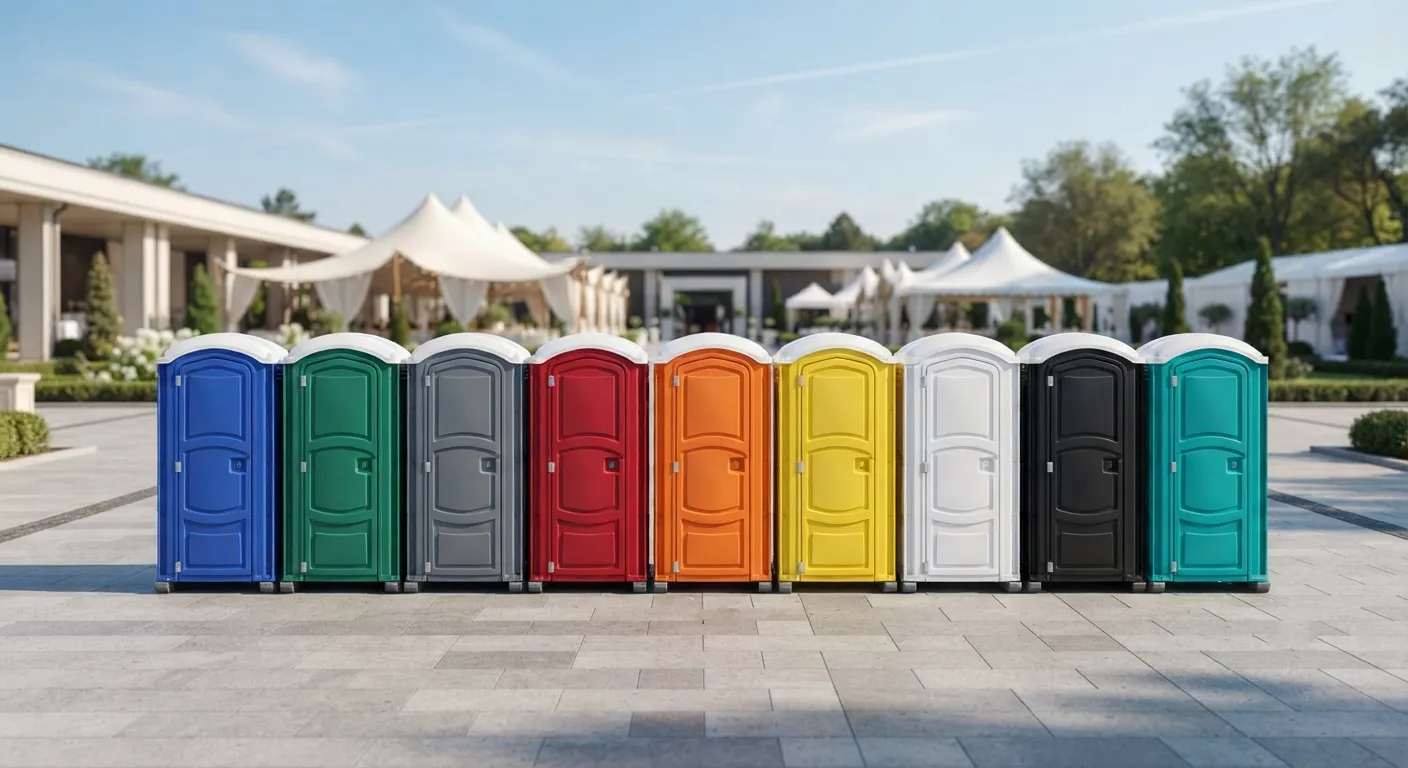
Accessible units need the same firm, level pad as any other unit, plus a clear path at least 36 inches wide under ADA Standards section 403.5.1 and a 60 inch turning circle per section 304.3.1. ADA Standards section 213.2 requires at least 5 percent of clustered single-user units to be accessible, with a minimum of one, so a bank of six standard units on a Canton job site needs at least one ADA accessible porta potty in the mix. Door hardware should meet section 309.4, operable with one hand and without tight grasping. Place the accessible unit at the end of the row nearest the accessible parking or walkway, not buried behind other units. For events, this matters even more: a wedding or festival crowd will not backtrack through mud to find the one compliant door. See ADA restroom requirements for the full list, and event restroom rental or wedding restroom rental for layout advice specific to guest counts.
| unit | day | week | month |
|---|---|---|---|
| standard | $100-$350 | $130-$500 | $125-$325 |
| ada | $200-$400 | $240-$400 | - |
| deluxe | $85-$1,200 | $150-$290 | - |
Delivery fees run $100 to $500 for a single day and $50 to $150 for a week, separate from unit cost. See porta potty rental cost and porta potty rental per day for a fuller breakdown, or monthly porta potty rental for longer jobs.
How many units do I need for my crew?
OSHA 1926.51(c) sets one toilet for 20 workers or fewer on a construction site, then adds a seat and urinal per 40 workers up to 200. A 15-person Canton crew needs one unit; a 45-person crew needs two. See how many porta potties do I need for the full table.
Can I place a unit near a septic system or drain field?
No. Keep units off the drain field and tank lid entirely; the weight and vibration from a service truck can damage buried lines. If your Canton property runs on a septic system, check septic tank warning signs and schedule pumping through septic pumping service separately from portable toilet placement.
Does winter change where I should place a unit?
Yes. Ice and frost heave make firm placement harder, and hoses need protection from freeze. See porta potty in winter for site prep specifics before the ground hardens.
What if my Canton site has no flat ground at all?
Ask about matting or leveling blocks before the delivery date. Crews near Belleville, 8.1 miles south, and Van Buren, 6.8 miles south, deal with the same clay-heavy soil, so this comes up often. Call ahead through request a quote.
Do event sites need different placement than construction sites?
Yes. Events prioritize guest sightlines and walking distance over truck access alone. Check festival restroom rental or concert restroom rental for layouts built around crowd flow instead of a single work crew.
Next step
Get a delivery date
Tell us the address, the dates and the headcount. We size the order and confirm the route.